Getting hit by a Google update can feel like watching your digital business crumble overnight. One day you’re ranking on page one, the next day you’ve vanished into the search engine abyss. But here’s the truth: recovery is absolutely possible, and I’ve helped hundreds of websites bounce back stronger than before.
Let’s learn all about how to recover from Google update and future-proof your website performance in the SERPs.
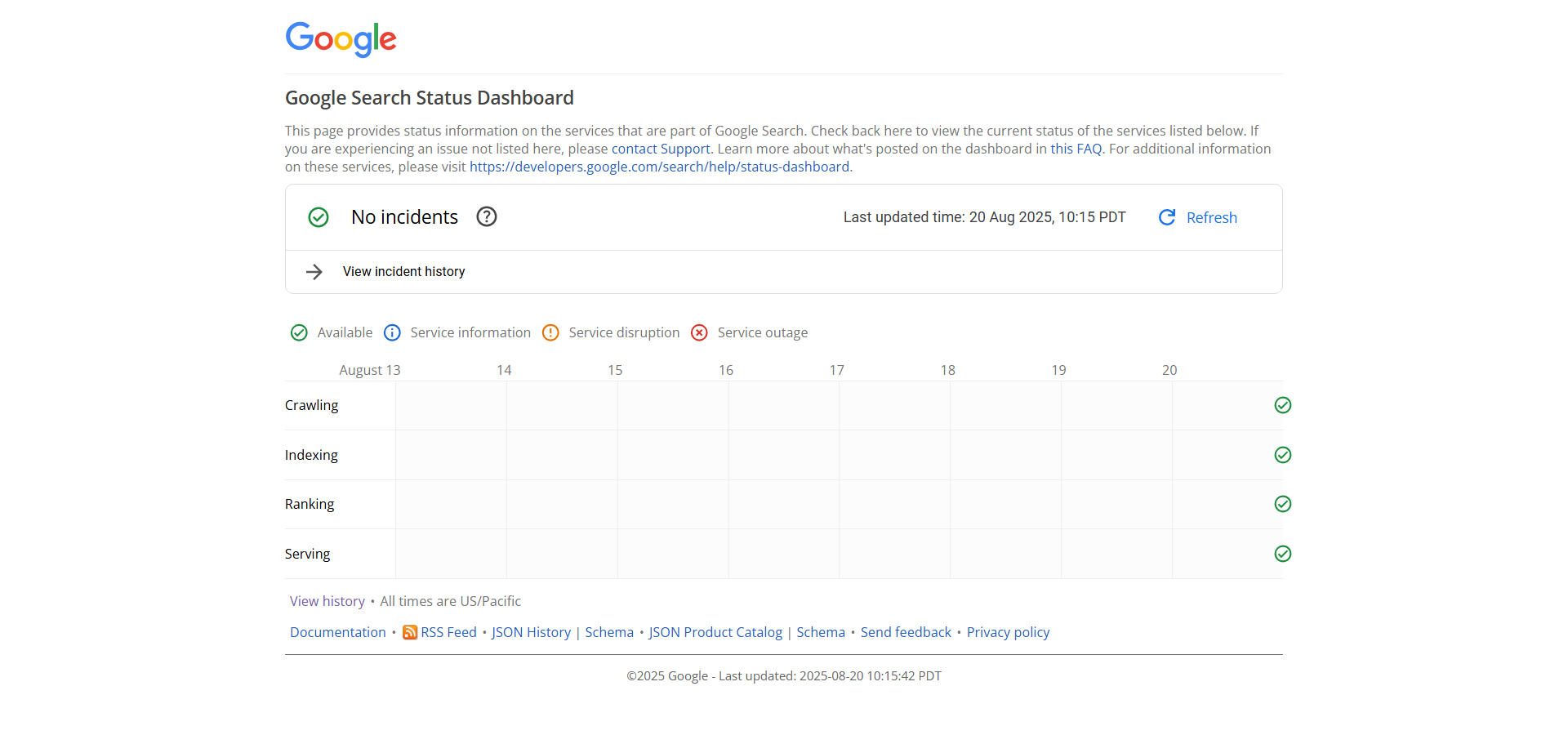
Before you panic and start making random changes, you need to understand which update hit you and why. Google releases hundreds of minor updates yearly, but the major ones, Core Updates, Helpful Content Updates, and E-E-A-T-focused updates, are the usual suspects behind significant ranking drops. Check your timeline first. Look at your Google Analytics and Search Console data. When exactly did your traffic drop? Cross-reference this with Google’s official update announcements on their Search Central blog. If your drop aligns with an update announcement within 1-2 weeks, you’ve likely been affected. Identify the update type. Different updates target different issues: Understanding which update hit you determines your SEO recovery strategy. This is where most recovery efforts succeed or fail. Google’s recent updates heavily emphasize content quality, expertise, and genuine user value. Start with your worst-performing pages. In Google Search Console, go to Performance > Pages and sort by impressions or clicks, then look for pages that experienced the steepest declines. These are your priority targets. If you’re managing multiple websites or lack the technical expertise for this analysis, consider working with specialized Google Core Update recovery services in Dubai or your local market to ensure thorough evaluation. Apply the “Would I bookmark this?” test. For each affected page, ask yourself: Would I genuinely bookmark this page for future reference? If the answer is no, you’ve found content that needs major improvement or removal. Check for content quality red flags: Experience, Expertise, Authoritativeness, and Trustworthiness (E-A-T) aren’t just buzzwords. They’re ranking factors that can make or break your recovery. Strengthen author’s credibility immediately: Add detailed author bios with relevant credentials. Build topical authority through content depth: Instead of having 20 shallow articles about related topics, consider consolidating into 5 comprehensive, expert-level pieces. Google rewards sites that demonstrate deep knowledge in their niche. Improve trust signals across your site: Technical issues can amplify the negative effects of Google algorithm updates. A slow, broken site will struggle to recover regardless of content quality. Fix Core Web Vitals issues immediately: Use Google PageSpeed Insights and Search Console’s Core Web Vitals report to identify specific problems. Address crawling and indexing issues: Improve site structure and navigation: Now comes the heavy lifting, which is actually fixing your content to meet Google’s quality standards. For underperforming pages, you have three options: Option 1: Improve and Expand Take thin or mediocre content and transform it into the definitive resource on that topic. Add expert insights, case studies, examples, and actionable advice. Update outdated information and ensure everything is current. Option 2: Consolidate and Redirect If you have multiple weak pages targeting similar keywords, combine them into one comprehensive piece. Set up 301 redirects from the old pages to preserve any existing link equity. Option 3: Remove and Prune Sometimes the best strategy is to admit that a page doesn’t deserve to exist. If content adds no unique value, delete it or noindex it. This can actually boost your overall site quality in Google’s eyes. Focus on search intent alignment: Google has become incredibly sophisticated at understanding what users actually want when they search. Your content must match not just the keywords, but the underlying intent. Recovery isn’t just about getting back to where you were; it’s about building a foundation that can withstand future updates. Develop a consistent content strategy: Earn quality backlinks naturally: Monitor and adapt continuously: Here’s what you need to know about timing: this isn’t a quick fix. Immediate improvements (1-4 weeks): Moderate recovery (2-6 months): Full recovery and beyond (6+ months): The sites that recover successfully don’t just fix their immediate problems; they use the experience to become better at serving their audience. Remember: Google’s updates aren’t arbitrary punishments. They’re attempts to better match search results with user needs. By aligning your site with these goals, creating helpful, authoritative, trustworthy content on a fast, user-friendly website, you’re not just recovering from this update; you’re preparing to thrive through future ones. Moiz Banoori is a Digital Marketing specialist with over eight years of experience in content creation and digital journalism. He leads teams at various brands and focuses on developing effective SEO strategies that enhance online visibility. With a degree in journalism, Moiz combines his passion for storytelling with technical skills to deliver innovative digital solutions at REDLUMB, helping clients achieve their online goals in a competitive landscape.
What Actually Goes Into Google Updates?
Step 1: Conduct a Comprehensive Content Audit
Step 2: Implement E-E-A-T Improvements
Step 3: Optimize Technical Foundation
Step 4: Content Recovery Strategy
Step 5: Build Sustainable Authority
Step 6: Recovery Timeline and Expectations