As a small to medium-sized business owner, you’re constantly looking for ways to increase your online visibility and attract more customers. Two of the most effective digital marketing strategies are Search Engine Optimization (SEO) and Pay-Per-Click (PPC) advertising.
But which one is right for your business? Understanding the key differences, benefits, and drawbacks between PPC vs. SEO will help you make an informed decision that aligns with your goals and budget.
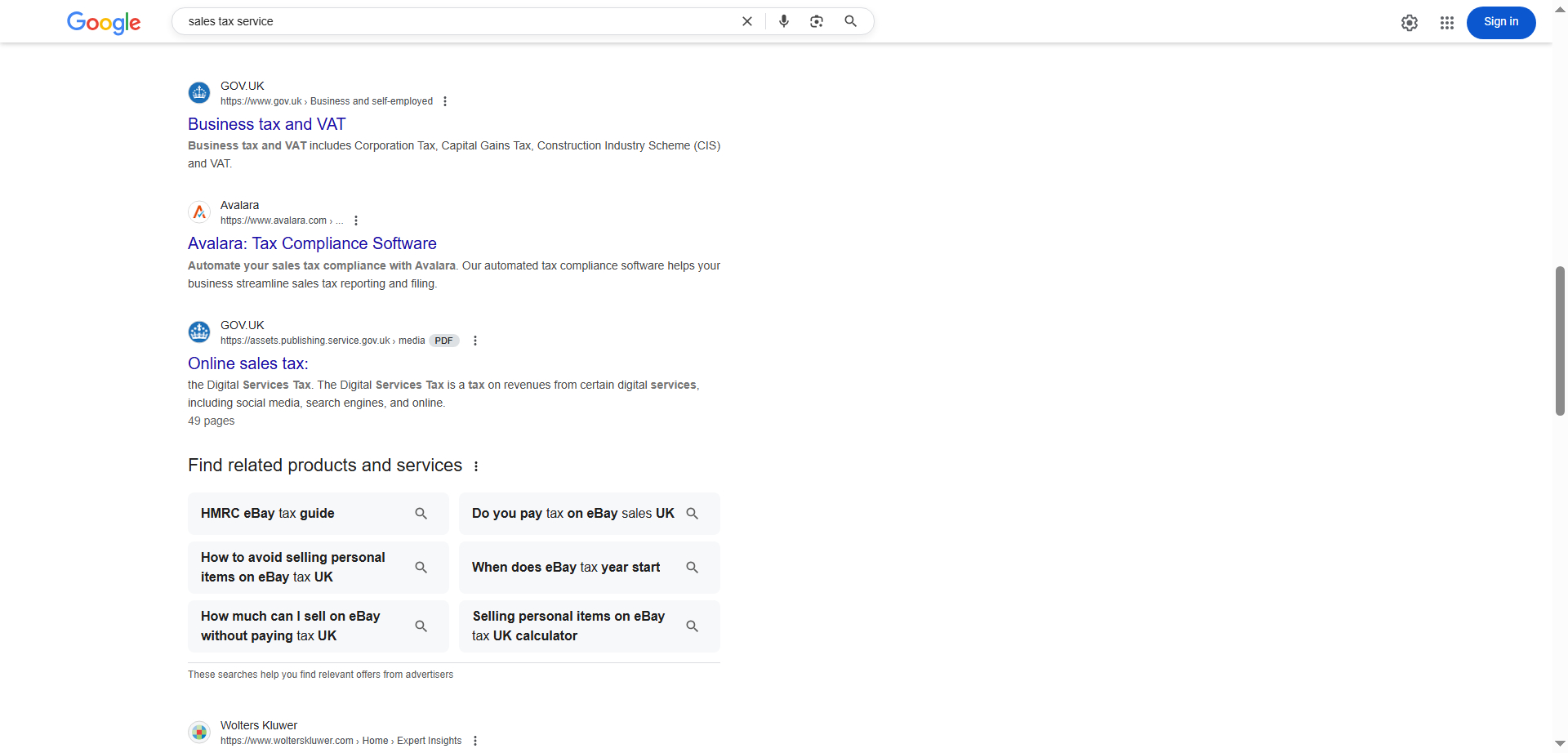
Search Engine Optimization (SEO) is the practice of optimizing your website and content to rank higher in organic search engine results. When someone searches for keywords related to your business, SEO helps your website appear naturally in the search results without paying for ad placement. This involves creating high-quality content, improving your website’s technical performance, building authoritative backlinks, and ensuring your site provides an excellent user experience. SEO focuses on earning your position in search results through relevance, authority, and user satisfaction rather than paying for visibility. Pay-Per-Click (PPC) advertising allows you to place ads at the top of search engine results pages by bidding on specific keywords. You only pay when someone clicks on your ad, giving you immediate visibility for your target searches. Popular PPC platforms include Google Ads, Microsoft Advertising, and social media advertising on platforms like Facebook, Instagram, and LinkedIn. The best choice depends on your specific business situation, goals, and resources. Choose SEO if you: Choose PPC if you: It is worth noting that new businesses often benefit from PPC’s immediate visibility while building their SEO foundation. Established businesses might focus more heavily on SEO services for sustainable growth. Plus, the most successful businesses often use both strategies strategically. This integrated approach offers several advantages: Both SEO and PPC are powerful digital marketing strategies that can drive significant results for small to medium-sized businesses. SEO offers sustainable, cost-effective growth that builds long-term value, while PPC provides immediate visibility and precise control over your marketing efforts. You should consider starting with the approach that best matches your immediate needs and budget, then gradually incorporating the other strategy as your business grows. Many successful businesses find that combining both SEO and PPC creates a comprehensive digital marketing strategy that maximizes their online visibility and drives consistent growth. Remember, the best digital marketing strategy is the one you can execute consistently and measure effectively. Whether you choose SEO, PPC, or both, focus on understanding your audience, tracking your results, and continuously optimizing your approach based on real performance data. Moiz Banoori is a Digital Marketing specialist with over eight years of experience in content creation and digital journalism. He leads teams at various brands and focuses on developing effective SEO strategies that enhance online visibility. With a degree in journalism, Moiz combines his passion for storytelling with technical skills to deliver innovative digital solutions at REDLUMB, helping clients achieve their online goals in a competitive landscape.
Overview
Factor SEO PPC
Time to Results 3–6 months for significant results Immediate (within hours)
Cost Structure Upfront investment in content/optimization Pay per click (ongoing costs)
Long-term Cost Lower cost per acquisition over time Higher ongoing investment required
Traffic Sustainability Traffic continues even when not actively optimizing Traffic stops when budget ends
Click-through Rate Higher (~28% for first result) Lower (~25% of users click ads)
User Trust Higher trust in organic results Lower trust due to “ad” label
Control & Flexibility Limited immediate control Complete control over campaigns
Targeting Options Keyword and content-focused Precise demographic/geographic targeting
Competition Impact Gradual ranking competition Direct bidding competition
Measurability Complex attribution, long-term focus Clear, immediate ROI tracking
Best for Businesses With Limited budget, patience for results Healthy ad budget, need for speed
Ideal Timeline Long-term strategy (6+ months) Short to medium-term campaigns
What Is Search Engine Optimization (SEO)?
Benefits of SEO
Drawbacks of SEO
What Is Pay-Per-Click (PPC)?
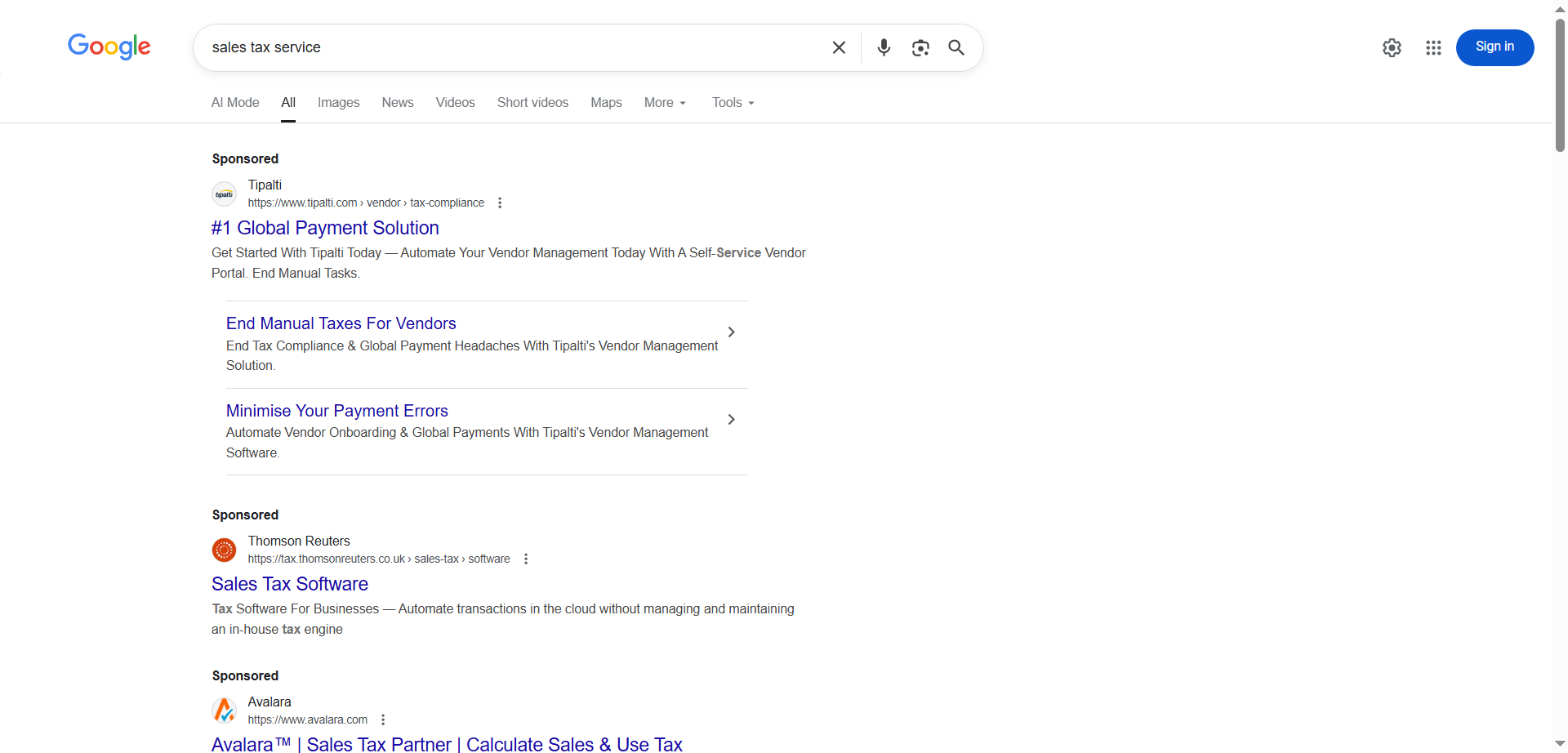
Benefits of PPC
Drawbacks of PPC
Is SEO Or PPC Better For My Business?
Final Words